
About Our Advocacy
College students' well-being is increasingly impacted by academic pressure, social interactions, and lifestyle decisions, leading to health issues like obesity and decreased academic performance. Nutrition advocacy aims to promote policies and practices that support better nutrition and improve health outcomes. College students often face barriers to maintaining healthy habits, such as limited access to affordable, nutritious food options, demanding schedules, and lack of nutrition education. Social pressures and temptations can discourage students from adopting positive lifestyle choices.Optimal health and nutrition are essential for college students to thrive academically and personally. A nutritious diet provides energy, focus, and resilience, while adequate sleep and exercise support cognitive function, emotional well-being, and overall quality of life. Understanding how these nutrition literacy domains impact students' eating decisions is crucial for developing effective programs that encourage healthier behaviors.To address these issues, increased resources and support are needed to help college students prioritize their health and nutrition. Raising awareness, implementing campus-wide initiatives, and empowering students to make informed choices can foster a culture of wellness. Strategies to promote healthy eating among university students include courses, seminars, and interventions that address students' diverse characteristics and backgrounds.This research aims to contribute to the creation of targeted interventions and policies that promote the comprehensive well-being of college students, encouraging a campus culture that recognizes health and nutrition as fundamental elements of academic and personal achievement.
Our Vision
The group aims to cultivate a community where every student thrives with vitality and resilience, empowered by a culture that champions nutritious eating habits. We envision a future where 'Let's Eat Well!' serves as a cornerstone, encouraging lifelong wellness and academic success through prioritized health and nutrition, ensuring the holistic well-being of every student.We aim to establish a revolutionary educational environment wherein health and nutrition serves as an essential building blocks of success, with a primary focus on student's well-being. Our vision encompasses the cultivation of a generation of pupils who not only achieve academic excellence but also possess a strong sense of physical and mental health. Our encompassing objective is to transform schools into supportive spaces encouraging and preparing students to make healthy food decisions by emphasizing health-conscious practices. We aspire to create a culture where health is essential to education.
Our Goals
To establish a comprehensive approach to nutrition within the student community, fostering habits that prioritize health and well-being.
Aim to empower students to make informed dietary choices, ensuring they have the knowledge and tools to nourish their bodies optimally through education, accessible resources, and engaging initiatives.
Promoting a culture that values nutritious eating habits
Strive to enhance not only physical health but also mental clarity and overall academic performance.
To create an environment where students thrive, energized by wholesome meals and equipped with the understanding of how nutrition impacts their well-being.
“Together, let's cultivate a community committed to eating well and embracing a lifestyle that supports lifelong health.”
Our Core Values
Nurturing Healthy Habits
Offering Nutritious Options
Understanding Food Choices
Respecting Individual Dietary Needs
Inspiring Wellness through Education
Supporting Sustainable Eating Practices
Honoring the Body’s Nutritional Needs



Target Beneficiaries
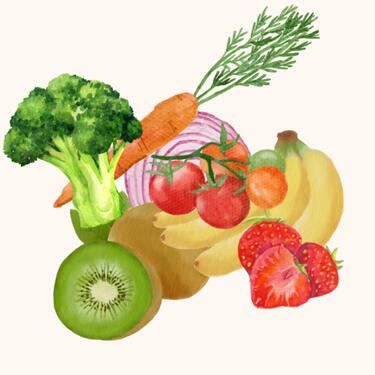
Encouraging students to prioritize their health and nutrition has numerous benefits.First, it improves their physical well-being by providing them with wholesome, well-balanced meals that enhance immune systems, maintain energy levels, and lower the risk of chronic diseases.Second, it improves cognitive function and academic performance by creating an environment that is favorable for academic performance. Encouraging healthful behaviors is also crucial. Students who receive health and nutrition advocacy are more likely to form lifelong healthy behaviors. This is achieved through education and empowerment, promoting a wellness culture that goes beyond the classroom. This empowers students to make informed decisions about their nutrition and lifestyle, giving them the confidence to advocate for their own health.Lastly, lifelong wellness advocacy supports the development of students who are equipped with the knowledge, skills, and habits necessary to lead healthy and fulfilling lives into adulthood. By fostering the importance of health and nutrition during their formative years, the initiative lays the foundation for students to embrace lifelong wellness, creating a ripple effect that extends beyond their educational journey.
Advocacy Response
A survey of 33 college students from various universities, including the University of Baguio, revealed that 31 out of 2 respondents view themselves as healthy individuals. However, 64.7% of these students struggle to maintain proper eating time due to studying or being busy. Less than half (41.7%) exercise regularly, and 52.8% say they have restrictions or limitations. This results in poor diet, lack of sleep, changes in appetite, and mood. Additionally, students from the University of Baguio and other universities eat at least 1 to 3 times on fast food chains, and over 50% drink sweetened beverages 2 to 4 times a day, leading to an unhealthy lifestyle.To address these challenges, educational campaigns can be launched on campus to raise awareness about the importance of a healthy lifestyle. These campaigns can include seminars, workshops, and information sessions on nutrition, time management, stress management, and regular exercise. Integrating health and wellness modules into the curriculum can provide students with the necessary tools to make informed decisions about their health.Providing access to healthy food options, working with university cafeterias and local vendors, and promoting physical activity on campus through sports events, fitness classes, or outdoor fitness zones can significantly impact students' dietary habits. Addressing time management challenges is crucial for supporting students' healthy lifestyle goals. Offering counseling services and mental health support can help address stress, anxiety, and mood changes caused by academic pressures or lifestyle challenges. Fostering a supportive campus culture through peer support groups, mentoring programs, and involving students in decision-making processes related to health and well-being initiatives can create a conducive environment for students to make informed decisions about their health and well-being.

In partial fulfillment for the subject
Purposive Communication 1
Flores, Razene Kyla (LEADER)
Cosalan, Karyll Chelsea (SECRETARY)
Pineda, Louis Miguel (RESEARCHER)
Estacio, Juliene Gabrielle (RESEARCHER)
Benitez, Keana Mari (WRITER)
Madarang, Beatrice Rose (WRITER)
De Guzman, Andrew (DIGITAL ARTIST)
Lapitan, Naomi Isabelle (DIGITAL ARTIST)
Sabado, Kristine Hanna (PRESENTER)
© UNA. 2024.